The “November Theory” is the dating-culture idea that the approaching holidays prompt people to think about where a relationship is going. An invitation to Thanksgiving may bring up real questions about family, expectations and commitment, but the date on the calendar cannot predict whether your relationship will last.
There is no magic number of weeks you must date before an invitation. The better question is whether both of you want to go and understand what the invitation means. Talk through whether the timing feels right, how to prepare, and what you each need if spending the holiday apart makes more sense.
What is the November Theory?
In VICE's account, matchmaker Susan Trombetti describes the holiday season as a time when questions about meeting family and the future can bring a relationship into focus. It's a catchy way to describe a familiar situation, not a scientific test or a deadline by which you must define your future.
The idea overlaps with cuffing season, the cultural shorthand for seeking companionship during colder months. But people date—and make commitments—for many reasons. Your family traditions, work schedule, finances, religion, distance and safety can matter more than a trend's timeline.
Thanks for your feedback! Couldn't send feedback. Try again?
Report this addition
Is it time to bring your partner home?
Consider these signs as conversation starters, not a checklist you have to pass. A first meeting can be casual, and an invitation can be generous without being a promise of forever.
1. You know enough about what the invitation means
You don't need a five-year plan, but it helps to understand the relationship as it stands. Is this a relaxed introduction to people you love, or does one of you see it as a major step? If you haven't defined the relationship, you can still ask what each of you expects.
Try: “My family asked about Thanksgiving. I'd love to invite you, but I don't want you to feel pressured. What would meeting them mean to you?” Leave room for a real answer, including uncertainty.
2. You both actually want to go
A partner may be excited, nervous, unavailable or simply not ready. An invitation is most comfortable when declining it is genuinely allowed. “No this year” may reflect another family commitment, money, grief or the need for a slower pace—not a verdict on the relationship.
Be equally honest with yourself. If you would rather introduce your partner over coffee first, that's useful information. Your aunt may ask questions either way; you don't need to bring a date to answer them.
3. You've spent time together in different settings
Seeing each other with friends, during a long day or while making a small plan can help you understand how each of you handles nerves and change. In CNN's holiday advice, relationship experts recommend a gradual introduction and preparation rather than treating the dinner as an audition.
You don't need to predict every reaction. The point is to know enough to ask what support would be welcome and to listen if the answer differs from your own.
4. You have a realistic picture of the gathering
A two-hour meal with a few relatives is different from a crowded weekend with overnight stays. Tell your partner who will be there, how long you expect to stay and whether there are customs, accessibility needs, dietary restrictions or family tensions worth discussing.
Don't promise a stress-free day if your family can be difficult. You can be candid without turning relatives into caricatures: “My uncle sometimes asks very personal questions. I'll redirect if that happens, and we can leave early if we need to.”
5. You can make a plan together
The strongest sign may be a willingness to talk about logistics and boundaries. Can you agree on travel, cost, an arrival time and what to do if either of you feels overwhelmed? A practical plan makes space for nerves without making anyone responsible for a perfect performance.
If your partner has nowhere to go, a friendly invitation can be kind. Just be clear about whether you're offering companionship, introducing a romantic partner, or both. Neither person should have to decode the invitation over dessert.
Thanks for your feedback! Couldn't send feedback. Try again?
Report this addition
What if it feels too soon?
A holiday can be a lot for a first family meeting. Consider a smaller introduction first: coffee with a sibling, a short video call with a parent, or an afternoon with friends. You can also invite your partner for dessert instead of the entire day, if the host agrees and the shorter visit works for everyone.
If one person is ready and the other isn't, ask what would make the next step feel comfortable rather than arguing about what “normal” couples do. You might agree to revisit the invitation later or plan a separate celebration. A boundary can coexist with affection.
Thanks for your feedback! Couldn't send feedback. Try again?
Many couples spend holidays separately because of family traditions, geography, work, caregiving, finances or a desire to move slowly. Others have complicated family relationships or don't celebrate Thanksgiving. None of those arrangements automatically tells you how committed someone is.
Make the choice explicit so neither person has to guess. “I'd love to see my family this year, and I'd also love to celebrate with you. Could we have dinner together on Friday?” is clearer than leaving the subject open until the last minute. If a call matters, agree on a time that fits the day; you don't have to text continuously to demonstrate care.
If an invitation matters deeply to you and your partner doesn't want to offer one, you can talk about the meaning behind the difference. Listen for the actual reason rather than assuming a rejection. A recurring pattern of avoiding every conversation about your future is a separate issue from one holiday plan.
Thanks for your feedback! Couldn't send feedback. Try again?
Report this addition
If you're looking to engage your partner in intriguing conversations, why not try some hypothetical questions for couples? These fun queries will not only keep the conversation lively but also stimulate deep thoughts and potentially reveal insights about each other's personality and thought processes.
The preparation checklist
Share the basics. Who is hosting, who is coming, what time does the meal begin, and how long are you planning to stay?
Explain the atmosphere. Is the gathering formal, relaxed, loud, small or centered on particular traditions? Mention known family tensions without asking your partner to take sides.
Discuss food and access. Ask the host about allergies, dietary needs, mobility or sensory considerations. Don't assume a guest can eat what everyone else eats.
Agree on a signal. A simple phrase or gesture can mean “please join me,” “I need a break,” or “can we leave soon?” Decide together what it means.
Plan the exit. If you're traveling together, agree on a rough departure time and how either person can take a break. Keep transportation and overnight plans clear.
Ask about a host gift. A small gift or an offer to bring a dish can be thoughtful, but check with the host first rather than adding a surprise obligation.
Stay connected. Introduce your partner by name, include them in conversation and check in privately. You don't have to supervise every interaction; you can still be a team.
A first meeting doesn't have to be an interrogation. If a relative asks about marriage, children, work or politics and either of you would rather not answer, prepare a light redirect: “We're enjoying getting to know each other. How is your new garden going?”
Thanks for your feedback! Couldn't send feedback. Try again?
Report this addition
If you're the guest
Ask your partner for the same briefing you would want to give: names, timing, dress expectations, food and any traditions you may encounter. It's fine to say ahead of time that you don't drink, need a break, cannot afford an expensive trip, or would prefer not to join a particular custom. Your partner and host can then plan with you instead of finding out at the table.
Offer help if you want to, but don't assume you must cook, clean or win everyone over. A simple “Can I bring anything?” or “Where can I put this?” is enough. For more practical ideas, see our guide to meeting a partner's parents.
If a conversation becomes uncomfortable, your agreed signal can help. You can also step outside, visit the bathroom or say, “I'm going to get some water.” You don't owe a detailed explanation for taking a short break.
Thanks for your feedback! Couldn't send feedback. Try again?
One awkward meal is a small sample of a person under unusual pressure. A quiet guest may be nervous; a warm relative may be having a difficult day. Ask your partner how the visit felt before inviting a group verdict, and give everyone time to get to know each other.
That said, take specific concerns seriously. “They interrupted you repeatedly and you seemed uncomfortable” is more useful than “I just don't like them.” Compare the observation with your own experience and look for patterns rather than letting one comment decide for you. Equally, a family's disapproval can reflect unfair prejudice or rigid expectations; their reaction is not automatically objective.
Research on couples' social networks suggests an association between perceived support and relationship outcomes, but it doesn't turn family approval into a prediction for an individual couple. A longitudinal study of dating couples tracked perceived approval over time; another study of college dating relationships examined perceived social norms and commitment. Neither says an awkward Thanksgiving determines a relationship's future.
If your family makes discriminatory or invasive comments, talk with your partner about support and boundaries. You may need to interrupt a question, leave or reconsider future invitations. Your partner should not have to endure disrespect to prove they fit in.
Thanks for your feedback! Couldn't send feedback. Try again?
Report this addition
A gentle post-holiday check-in
When the day is over, avoid grading each other. Ask: “What felt good?” “Was anything uncomfortable?” “Would we do anything differently next time?” If one of you felt abandoned or pressured, name the concrete moment and listen to the response. You can appreciate an effort and still ask for a change.
You might also ask yourself whether you enjoyed sharing this part of your life, whether you handled an awkward moment as a team, and what you want next. Those questions are useful whenever you ask them. If the answer is that you want space, our guide to taking a break from dating can help you think through it.
If relatives ask how you met, our how-we-met story guide offers a way to talk about the memory together without turning it into a test of your relationship.
Thanks for your feedback! Couldn't send feedback. Try again?
Report this addition
Frequently asked questions
How long should you date before meeting family?
There is no universal number of weeks. Consider mutual willingness, the size of the gathering and what each of you understands the invitation to mean.
Is not getting an invitation a bad sign?
Not on its own. Family circumstances, money, travel and timing vary. If you feel hurt or confused, ask about the reason and share what you hoped for.
Should my partner bring a gift?
A small gift can be thoughtful, but it isn't mandatory. Ask the host what would be welcome, especially before bringing food.
What if the day is awkward?
Give yourselves permission to be nervous. A private check-in, a break and a plan to leave can help. One imperfect visit does not determine the relationship.
Do I have to celebrate with family?
No. Friends, a partner, a chosen family, a quiet day alone or an ordinary workday are all valid ways to spend the holiday. Choose what fits your circumstances.
Thanks for your feedback! Couldn't send feedback. Try again?
Report this addition
Feedback Junction
Where Thoughts and Opinions Converge
Vnessa
2014-11-21T23:23:31.339Z
Idk maybe I'm a serial dater but it seems like too many bfs have come over for holiday dinners. Don't do it just because do it only if you're serious enough.
Leticia
2014-11-22T15:41:32.166Z
What if he is you ex boyfriend? A recent ex. But boyfriend of two years and almost feels like the relationship will keep going after the break up.
Keep exploring
Search AllWomenStalk for your next read.
Add allwomenstalk.com as a preferred source on Google to see more of our trusted coverage when you search.
Don't Miss the Latest Version
Get the latest stories, save favorites, and share with friends — all in one place.
Choose the look that feels most comfortable for reading.
Your choice is saved on this device only.
Read Allwomenstalk in the app
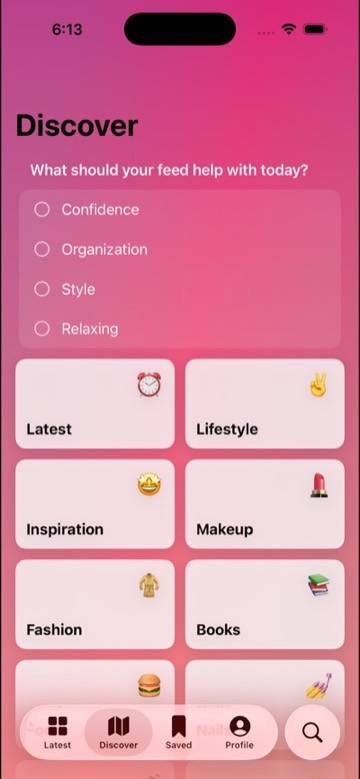
A calm, image-forward feed of fashion, beauty, wellness and relationship stories. Save your favourites and discover what fits your mood — all on your iPhone.






Feedback Junction
Where Thoughts and Opinions Converge
2014-11-21T23:23:31.339Z
2014-11-22T15:41:32.166Z